Diesel fuel engines are built around lubrication and extremely tight tolerances. Gasoline does not provide the lubrication that a diesel pump and injectors depend on, so damage can start as soon as the wrong fuel circulates. The best move is to treat this like a stop-now situation, not a drive-it-out problem.
What you do in the next few minutes makes a difference.
Why Gasoline Is A Problem In Diesel Systems
Diesel fuel lubricates and cools key components as it moves through the system. High-pressure pumps and injectors run with very small clearances, and they rely on diesel’s lubricity to prevent metal-to-metal contact. Gasoline is thinner and does not protect those surfaces the same way, so wear accelerates quickly once it reaches the high-pressure side.
This is not about the engine liking one fuel more than the other. It is about how the fuel system is engineered to survive thousands of hours of use. Even with perfect regular maintenance, the wrong fuel can create a failure that no tune-up would prevent.
First Question: Did You Start It
If you have not started the engine, you are in the best-case scenario. In most trucks, the wrong fuel is still mainly in the tank and has not been pushed through the pump, filter, and injectors. The correct response is to leave the key off, because many vehicles prime the fuel system when you cycle the ignition.
If you did start it, or you drove even a short distance, gasoline likely moved through parts that depend on diesel lubrication. That does not automatically mean everything is ruined, but it does raise the stakes. At that point, the goal becomes limiting how far the contaminated fuel traveled and preventing further circulation.
What To Do Immediately
Start with actions that stop fuel movement and protect expensive components. Do not try to test it one more time to see if it runs better. Every restart can pull more gasoline into the high-pressure system.
Do these steps right away:
- Shut the engine off as soon as it is safe.
- Do not cycle the key on and off, and do not crank the engine.
- Arrange towing rather than driving it to a shop.
- Tell the mechanics roughly how much gasoline went in and whether the truck was started or driven.
- If you are at the pump, keep the receipt or take a photo of the grade you selected.
That information matters because the service plan changes depending on how far the wrong fuel has gone.
What Happens If You Drove It
When a diesel truck is driven with gasoline in the tank, the high-pressure pump is the component most at risk. A pump that runs without proper lubrication can score its internal surfaces and shed metal. Once metal particles enter the fuel rail and injectors, the problem spreads, and repairs become much larger.
The symptoms during driving are not always dramatic at first. You might notice reduced power, surging, rough running, or stalling. The real issue is internal wear happening out of sight, which is why continued driving is the worst choice once you know what happened.
What Not To Do
A few common ideas sound practical, but they make the situation worse. The biggest one is trying to dilute the gasoline with diesel and keep driving. Dilution does not restore lubrication fast enough where it matters, and it does not remove contaminated fuel from the lines and filter.
Avoid these mistakes:
- Do not top off with diesel and assume it will be fine.
- Do not add fuel additives as a substitute for draining the system.
- Do not keep restarting the truck to clear it out.
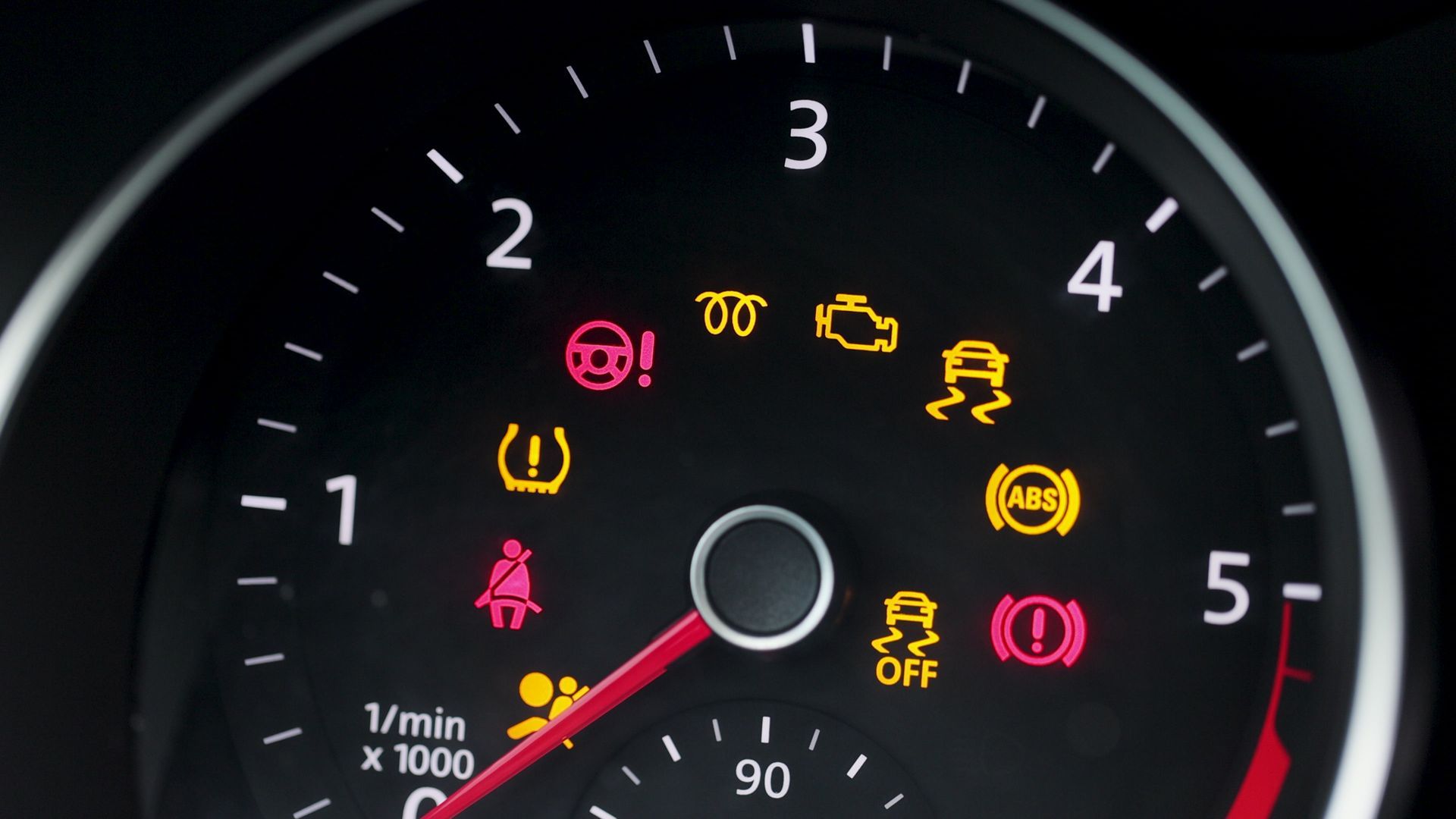
- Do not clear warning lights and hope the issue disappears.
If you want one simple rule, it’s this: removal beats dilution every time.
What A Proper Repair Usually Includes
A proper fix starts by removing contaminated fuel and preventing it from reaching sensitive components again. In the best case, that means draining the tank, cleaning it, replacing the fuel filter, and flushing supply lines. The system then needs to be refilled with clean diesel and primed correctly so it starts without pulling air into the high-pressure side.
If the truck was driven, the repair may also include checking for metal contamination and confirming pump health. That is why an inspection is so valuable here, because it determines whether you only need cleaning and filter service or whether the high-pressure components were compromised. Done correctly, the repair plan is based on evidence, not hope.
Get Diesel Misfueling Help In Lacombe, LA, With Riley's Auto & Diesel Repairs
If gasoline went into your diesel truck, the next step is stopping the fuel from circulating and having the system drained and serviced correctly before the high-pressure parts are damaged. Schedule your service or visit Riley's Auto & Diesel Repairs in Lacombe, LA, and you’ll get a clear plan based on what happened and how far the wrong fuel traveled.
The sooner it’s handled, the simpler the fix usually is.