Big trucks have a certain way of moving that looks almost effortless. They pull heavy loads from a dead stop, climb long grades without drama, and handle work that would make many gasoline engines feel strained.
That is why diesel shows up so often in heavy-duty trucks. Diesel is not the right choice for every driver, but it fits the job description of a working truck very well.
Why Diesel Makes Sense For Heavy Loads
Diesel engines are designed for sustained work. They produce strong pulling power at lower engine speeds, which fits towing, hauling, and long highway miles with weight behind the truck. Diesel fuel also contains more energy per gallon than gasoline, which often translates to better efficiency under load.
There is also a durability angle. Diesel engines are built to withstand higher combustion pressures, so the blocks, internals, and cooling strategies are generally engineered for heavy use.
Torque And Low-RPM Power: The Real Advantage
Most people hear torque and stop there, but the important part is where that torque happens. Diesel engines make a lot of usable torque at low RPM. That helps a truck get moving without needing high revs or constant downshifts.
In real life, that means less hunting for gears on hills and less throttle to maintain speed while towing. In our shop, we often see owners choose diesel because they want that steady pull when the truck is loaded. It is especially noticeable when you compare the same route with a trailer behind a gas truck versus a diesel truck.
Fuel Economy And Range When The Truck Is Working
Fuel-economy discussions can get confusing because cruising with an empty truck doesn't tell the whole story. The difference often shows up when the truck is actually doing truck work. Under load, diesel engines often hold efficiency better because they are built to operate in that range.
Range matters too. Fewer fuel stops are not only convenient, but they can also be safer and less stressful when you are towing. Finding a trailer-friendly fuel station is not always easy, so a longer range can be a real benefit.
Durability And Heat Management
Heat is one of the biggest enemies of engines and transmissions, especially when you tow or haul in warm weather. Diesel platforms are usually designed for that reality. Larger cooling systems, higher oil capacity, and heavier-duty components help manage heat during long pulls.
That does not mean diesel engines are maintenance-free. It does mean they can handle sustained load well when maintenance is consistent. We have seen plenty of diesel trucks go a long time because the owner stayed on top of service and addressed small issues early.
Modern Diesel Emissions Systems: The Trade-Off
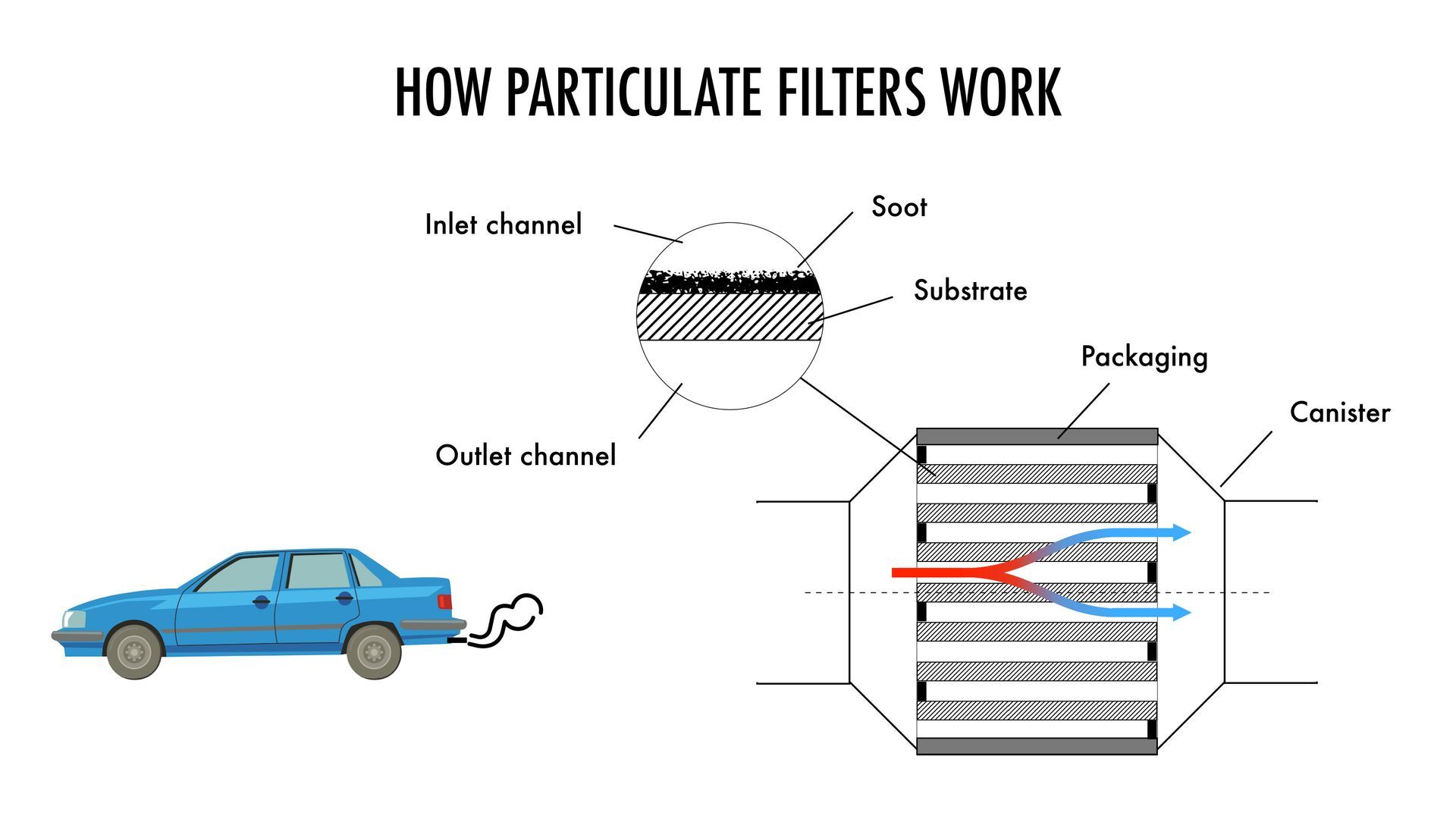
Modern diesels are much cleaner than older designs, but they come with added systems. Many heavy-duty trucks use EGR, a diesel particulate filter, and DEF systems. These systems help reduce emissions, but they add complexity.
Driving style matters here. Lots of short trips and frequent idling can cause problems because the emissions system may not reach the conditions it needs to operate efficiently. This is one reason diesel is not always a great fit for a truck that mostly does short errands.
Gas Versus Diesel: A Quick Decision Guide
If you are choosing between gas and diesel, focus on how you use the truck. The right match depends on your routine and the loads you plan to pull.
- If you tow heavy often, especially long distances or in hilly areas, diesel usually fits better.
- If the truck mostly does short trips and light hauling, gas can be simpler and cheaper to own.
- If you idle often for work, it is smart to consider how that affects modern diesel emissions systems.
- If range matters because of job sites or travel, diesel often wins once the truck is loaded.
- If you want the lowest complexity and you rarely push the truck hard, gas can be the least stressful ownership experience.
A diesel truck shines when it is used for the kind of work it was built to do. When it is used like a commuter, it can bring costs and quirks that surprise people.
Get Diesel Truck Service in Lacombe, LA, with Riley's Auto & Diesel Repairs
We can help you maintain your diesel truck so it stays dependable under load, whether you tow regularly or use it for work every day. We’ll inspect key systems, explain what we find, and recommend service based on how your truck is actually being used.
Call
Riley's Auto & Diesel Repairs in Lacombe, LA, to schedule diesel service or diagnostics.